As we near the tenth anniversary of The Force Awakens, Lucasfilm is beginning to return to the sequel trilogy era. A movie starring the return of Rey is in the works. The comics are finally moving beyond Return of the Jedi, exploring the post-Civil War galaxy. And books are being written about the sequel trilogy characters.
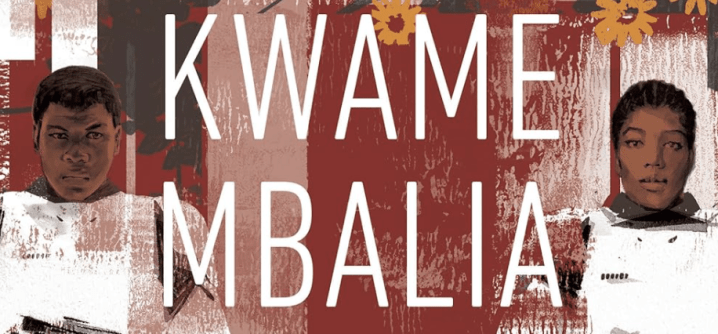
One such book was just recently released: The Last Order, by Kwame Mbalia. It’s a fine read. But also, sadly, it is set up to disappoint by Lucasfilm publishing, who apparently didn’t learn their lesson from the leadup to The Force Awakens.
Let me explain.
The Last Order has been promoted as a story set after The Rise of Skywalker, which is very exciting, as it marks the very first book that will be exploring the post-TROS galaxy. It follows Finn and Jannah on a mission after the events of the film, rescuing “a ship full of young passengers who had been kidnapped by the First Order.” A story about Finn and Jannah, after the Battle of Exegol, hunting down the First Order remnants in an effort to prevent more children from being trapped as they were? Yeah, sign me up! That sounds fantastic.
That’s not exactly what the book is about. That is indeed the setting around which the story takes place, but the book is mostly told in flashbacks as Finn and Jannah think back on their time in the First Order. That’s a fine story in its own right, and Mbalia tells it adequately. But the problem is that readers were led to believe this would be a significant story set after the movies, and it’s not. And that means, no matter how good of a story the flashbacks are, fans will leave with a disappointed taste in their mouths after reading it.
What’s especially disappointing about that is that Lucasfilm hasn’t learned. You see, this was really the issue that got the new era of Star Wars publishing off on a bad note for fans. In the fall of 2015, leading up to The Force Awakens, Lucasfilm published a major novel: Aftermath, by Chuck Wendig. It was billed as being part of the leadup to the new movie, telling the story of what happened after Return of the Jedi. It was that… but the book also created a firestorm amongst Star Wars fans, met with extreme disappointment. To this day, it is one of the lowest-rated Star Wars books of this new era on Goodreads. What happened?
Well, Wendig’s choppy writing style certainly didn’t help things. But the real issue was one of unmet expectations. Amidst all the excitement and hype about a return to the Skywalker saga, with the original trilogy actors returning for a new movie (the hype was seriously off the charts). And Lucasfilm moving the older books into “Legends” could be overlooked, because brand new stories about these heroes were coming! Only… when Aftermath was released, it wasn’t about those original heroes. They were hardly even mentioned. And Lucasfilm’s big novel kicking off their post-Return of the Jedi storytelling felt more disappointing and frustrating than anything. It was hard to evaluate the story on its own merits because of how it had been sold and communicated.
So now, here we are kicking off the post-The Rise of Skywalker storytelling, and they’re doing the same thing. This isn’t fair to the authors, much less the fans. If Lucasfilm had been more forthcoming about this book being mostly flashbacks, I trust it sill would have been well received, and fans would have been able to enjoy the story much more because they would have known what to expect and what not to expect. Instead, Lucasfilm publishing has set up fans for disappointment once again.
Almost as if they didn’t learn their lesson a decade ago.
 Star Wars Thoughts
Agreed. I had heard about this before I read the book, so I went in knowing that it was mostly flashbacks. The book is fine, but it’s not exactly what fans want. And yes, the marketing for it was definitely a bait-and-switch. Disappointing, to say the least.
LikeLike